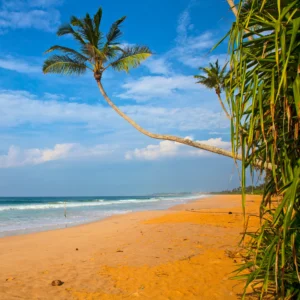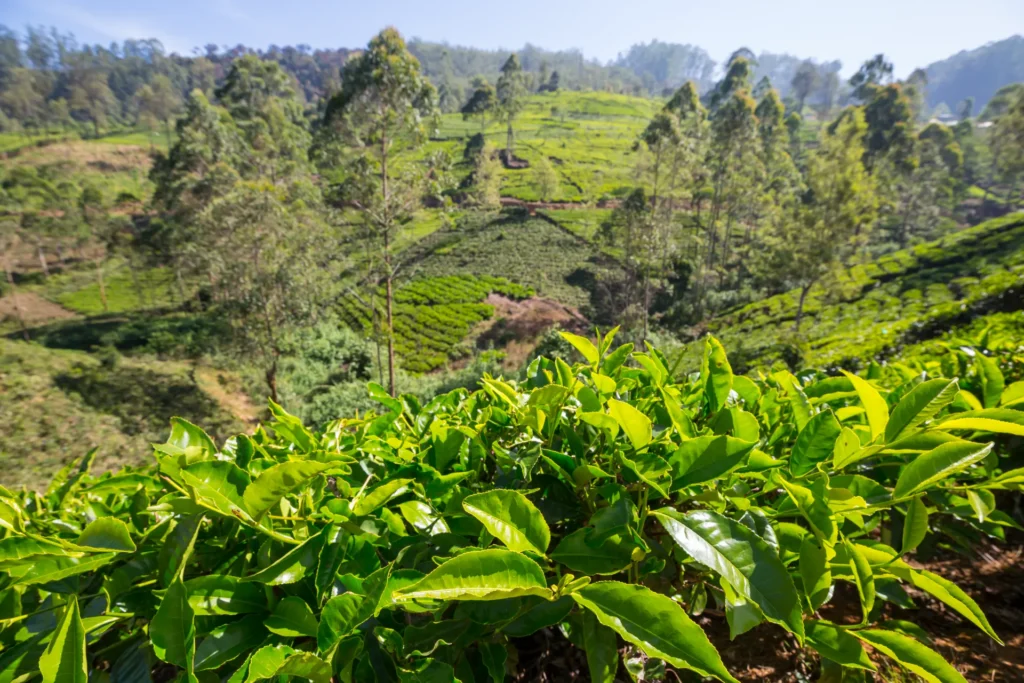
Tourism has long been an important part of Sri Lanka’s economy. The island’s beautiful beaches, ancient cities, wildlife, and cultural heritage attract visitors from around the world.
However, as Sri Lanka grows in popularity, the challenge of mass tourism has become increasingly visible. While tourism brings economic opportunities, it can also create pressure on natural environments, local communities, and cultural traditions.
Understanding the impact of mass tourism is essential in order to build a more sustainable future for the country’s travel industry.
Overcrowded Destinations
One of the most visible effects of mass tourism is overcrowding in certain locations. Popular attractions such as Sigiriya, Ella, and some beaches in the south often experience large numbers of visitors during peak seasons.
This can diminish the visitor experience and create strain on local infrastructure. Overcrowding also affects the natural environment, particularly in sensitive areas such as national parks and coastal ecosystems.
When destinations become too crowded, they risk losing the charm that originally made them attractive.
Pressure on Wildlife and Nature
Sri Lanka is home to extraordinary biodiversity, but increased tourism can sometimes place pressure on wildlife and natural habitats.
For example, safari tourism has grown rapidly in certain national parks. When too many vehicles enter the parks at once, wildlife experiences can become stressful for animals and less enjoyable for visitors.
Responsible tourism practices are essential to ensure that wildlife conservation remains a priority.
Loss of Authentic Cultural Experiences
Mass tourism can sometimes lead to the commercialization of culture. When destinations focus primarily on accommodating large numbers of visitors, traditional practices may become staged or simplified for entertainment.
Authentic cultural experiences risk being replaced by performances designed solely for tourists. This can gradually erode the depth and meaning behind cultural traditions.
Protecting the authenticity of Sri Lanka’s heritage is essential for preserving the island’s identity.
Environmental Impact
Large volumes of visitors also create environmental challenges such as waste management, pollution, and damage to natural landscapes.
Beaches, hiking trails, and historic sites can suffer from increased litter and environmental degradation if tourism is not carefully managed.
Sustainable tourism practices such as responsible waste management, eco friendly accommodation, and community engagement are crucial to protecting these environments.
Moving Towards Responsible Tourism
The future of tourism in Sri Lanka lies in responsible and thoughtful travel. Instead of focusing solely on increasing visitor numbers, the emphasis should shift toward creating higher quality experiences that benefit both travelers and local communities.
Smaller group travel, boutique accommodation, locally guided experiences, and environmentally conscious practices can help create a more balanced tourism model.
By prioritizing sustainability and authenticity, Sri Lanka can protect its natural beauty and cultural heritage while still welcoming visitors from around the world.
A More Meaningful Way to Experience Sri Lanka
Travelers today are increasingly interested in meaningful journeys rather than crowded sightseeing tours. This shift presents an opportunity for Sri Lanka to redefine its tourism approach.
By promoting responsible travel, supporting local communities, and preserving the island’s unique character, Sri Lanka can ensure that tourism remains a positive force for generations to come.